# Justin Martyr the Apologist
- Today: Apologetics
- Discussion
## Justin Martyr
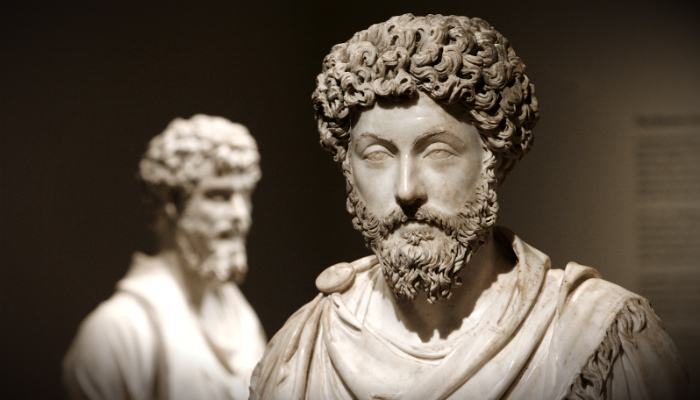
- Greek philosopher who converted 132 AD
- Wrote to Jews, fellow Greeks, and Roman emperors
- Died 165 AD, as a martyr
- An early "Church Father" (Clement, Polycarp... who else?)
## Church Fathers or "Apostolic Fathers"
- Mentored by the Apostles, but not Apostles
- Many writers, leaders, preachers, thinkers of the church from the Apostles to about the 8th century
- Justin Martyr is in this broad group
- One of the first "apologists"
### Apologia
- ἀπολογία
- Root of "apologetics" and "apology"
- What does apologia mean?
### Apologetics: The General Question
- How do you share the gospel with those who do not know Jesus but _do_ love truth and goodness?
- How do you connect the known with the unknown?
### Apologetics: Two Answers
- Peter's Pentecost sermon (to Jews) -- appeal to OT Scripture
- Paul's Mars Hill sermon (to Greeks) -- appeal to Reason

### Let's look at Justin's approach...
>To the Emperor Titus... Pius Augustus Cæsar, and to his son Verissimus the Philosopher... and to the sacred Senate, with the whole People of the Romans, I, Justin, the son of Priscus and grandson of Bacchius... present this address and petition in behalf of those of all nations who are unjustly hated and wantonly abused, myself being one of them.
What do you notice here? What rhetorical devices?
### There's lots in Justin's _Apology_..
### Let's look at three more passages
>Reason directs those who are **truly pious and philosophical to honour and love only what is true**, declining to follow traditional opinions, if these be worthless... Do you, then, since you are called pious and philosophers, guardians of justice and lovers of learning, give good heed, and hearken to my address; and **if you are indeed such, it will be manifested.**
Love of truth
## Socrates I
>And when Socrates endeavoured, by true reason and examination, to bring these things to light, and deliver men from the demons, [these demons and sinners] put him to death as an atheist and a profane person, on the charge that he was introducing new divinities; and **in our case they display a similar activity**.
Charge of atheism & innovation
## Socrates II
>For not only among the Greeks did _Logos_ prevail to condemn these things through Socrates, but also among the Barbarians were they condemned by _Logos_ Himself, who took shape, and became man, and was called Jesus Christ
Logos in common
## Conclusion
>And if these things seem to you to be reasonable and true, honour them; but **if they seem nonsensical, despise them as nonsense,** and do not decree death against those who have done no wrong, as you would against enemies. For we forewarn you, that you shall not escape the coming judgment of God, if you continue in your injustice; and we ourselves will invite you to do that which is pleasing to God.
Rejecting non-sense
## Discussion Question
- Today, what is something good that Christians have in common with non-Christians?
- And how can we build on that to preach the gospel to secular folks?
- What are _your_ questions?